Lussira Brushscript: A Web Designer’s Take on Handwritten Fonts for Digital Brands
I was staring at a blank hero section, trying to find the right visual hook for a boutique coaching website redesign. The layout was clean, the imagery was high-quality, but it felt cold—like a corporate template that hadn’t been personalized yet. That’s when I pulled up Lussira Brushscript. As a web designer who spends hours tweaking kerning and testing readability across devices, I don’t just pick fonts because they look pretty; I choose them because they solve a design problem. In this case, the problem was trust. I needed a typeface that felt human, organic, and premium without sacrificing the digital clarity required for modern web design.
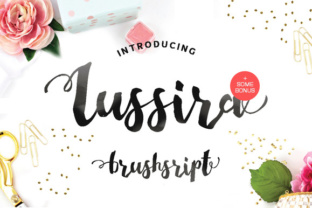
Lussira Brush Script is a completely handwritten typeface made with watercolors and a calligraphy brush. This isn’t a digital font mimicking handwriting; it has the texture and flow of real ink on paper. When I dropped it into Figma to test against my sans-serif body copy, the contrast was immediate. It brought warmth to the page instantly. But as any UI designer knows, beauty doesn’t always equal usability. So, I put Lussira Brushscript through its paces in a real-world landing page context to see how it holds up under the pressure of responsive layouts, mobile screens, and fast-loading requirements.
Lussira Brushscript for Hero Sections and Brand Identity
The first place I tested Lussira Brushscript was the main headline area of a product landing page. For creative portfolios, course sales pages, or boutique online stores, the hero section is your only chance to make an emotional connection before the user scrolls. Using a standard serif or sans-serif here often feels safe but forgettable. By using Lussira as a display font, I created an editorial feel that suggested craftsmanship and attention to detail.
Because Lussira Brush Script is a completely handwritten typeface made with watercolors and a calligraphy brush, it carries a specific mood: artistic, relaxed, yet sophisticated. However, there are rules for using script fonts in web headers. You cannot use it for long paragraphs. I kept the hero text to short phrases—three to five words maximum. This allowed the unique ligatures and brush strokes to shine without overwhelming the viewer. On desktop, the large font size gave it presence. On mobile, I had to adjust the line height carefully to prevent the descenders (the parts of letters like 'y' or 'g' that hang down) from clipping into the navigation bar below. The result was a header that felt bespoke, elevating the perceived value of the brand immediately.
Lussira Brushscript for Elegant Branding and Visual Hierarchy
One of the biggest challenges in web design is establishing visual hierarchy. How do you guide the eye? With Lussira Brushscript, I found it worked exceptionally well as a secondary heading or a decorative accent rather than a primary structural element. In a recent project for a digital brand kit, I used it to highlight key selling points on a service page.
Instead of using bold caps for subheadings, which can feel aggressive, I used Lussira to introduce sections about "Our Philosophy" or "The Process." This created a softer entry point for the reader, encouraging them to slow down and engage with the content. It pairs beautifully with a clean, geometric sans-serif for the body copy. This combination creates a classic typographic contrast: the structured, reliable sans-serif handles the information density, while the handwritten font adds personality and flair. This balance is crucial for maintaining professionalism while still feeling approachable—a delicate act for any entrepreneur or marketer building an online presence.
Lussira Brushscript for Blog Graphics and Social Media Assets
Web design doesn’t end at the browser window. Modern creators need assets that travel well across social media platforms. Since Lussira Brush Script is a completely handwritten typeface made with watercolors and a calligraphy brush, it translates beautifully into static graphics, Instagram stories, and email newsletter headers. I tested rendering the font in various image formats to ensure the watercolor textures remained crisp.
For blog posts, especially in niches like lifestyle, wellness, or arts and crafts, Lussira serves as a powerful tool for featured images. It stands out in a crowded feed where everyone else is using uniform block text. However, legibility remains key. When creating these graphics, I ensured there was sufficient contrast between the text and the background. If the background is busy, I placed a subtle overlay behind the Lussira text to maintain readability. This attention to detail ensures that even if a user is scrolling quickly on a mobile device, the message is clear and the aesthetic remains polished.
Lussira Brushscript for Call-to-Action Areas and Buttons
Can you use a script font for buttons? Generally, the answer is no—but with exceptions. Lussira Brushscript is not ideal for small, dense buttons where every pixel counts. However, for large, prominent call-to-action (CTA) areas, such as a "Book Now" banner at the bottom of a sales page, it can work if used sparingly. I experimented with using Lussira for the main CTA label on a dark background. The white text popped against the dark mode interface, and the brush style added a touch of luxury that a standard button lacked.
The key here is spacing. I increased the letter spacing slightly to ensure the characters didn’t merge visually at smaller sizes. This technique helps maintain the elegance of the font while ensuring the button remains clickable and obvious. It transforms a functional element into a branded experience. For other interactive elements like form labels or navigation menus, I stuck to a simpler sans-serif to ensure accessibility and ease of scanning. Good UX means knowing when to let the font speak and when to stay silent.
Lussira Brushscript for Wedding Invitations and Event Pages
While my focus is digital, the principles of good typography apply everywhere. Lussira Brush Script is a completely handwritten typeface made with watercolors and a calligraphy brush, making it naturally suited for events that require a personal touch. I explored its potential for a digital wedding invitation site and a portfolio for a freelance photographer specializing in weddings.
In these contexts, the "hand-painted" aspect of the font is its strongest asset. It conveys intimacy and care. For a wedding website, I used Lussira for the couple’s names and event details, paired with a delicate serif for the dates and location. The watercolor texture added a layer of depth that flat digital fonts often lack. It felt less like a webpage and more like a printed card brought to life. This emotional resonance is what drives engagement. Users spend more time on sites that feel crafted rather than templated. By choosing Lussira, designers signal that they care about the nuances of their client’s story.
Lussira Brushscript for Commercial Licensing and File Formats
Before integrating Lussira Brushscript into any client project, I always check the commercial font licensing terms. For web designers and agencies, understanding whether a license covers web embedding, print materials, and merchandise is critical. Fortunately, many modern font providers offer clear guidelines for commercial use, allowing designers to build comprehensive brand identities without legal worry.
From a technical standpoint, checking the included styles and file formats is part of my pre-flight checklist. Does the package include OpenType features? Are there alternate glyphs that add extra flair? For web implementation, converting the font to webfont formats (like WOFF2) ensures fast loading times and cross-browser compatibility. Lussira’s varied weights and styles allow for flexible design systems. Whether you need a light, airy feel for a header or a bolder stroke for emphasis, having access to multiple variations within the same family ensures consistency. This versatility makes it a valuable addition to any designer’s toolkit, bridging the gap between traditional artistry and modern digital execution.
In conclusion, finding the right font is about more than aesthetics; it’s about communication. Lussira Brushscript offers a unique blend of organic beauty and professional polish. It works best when used strategically—as a hero statement, a decorative accent, or a brand signature—rather than as a workhorse for body text. By respecting its nature as a hand-painted script and pairing it with clean, readable typography, designers can create websites that feel both luxurious and accessible. For anyone looking to add a human touch to their digital footprint, Lussira is a compelling choice that delivers on both style and substance.