Mockingbird Script: A Designer’s Take on Handwritten Fonts for Digital Branding
I was staring at a blank hero section on a client’s boutique landing page, trying to find that perfect balance between elegance and approachability. The layout was clean, the photography was stunning, but the typography felt cold. It lacked personality. That was when I pulled up Mockingbird Script. As a web designer who spends hours tweaking kerning and line heights, I don’t just pick fonts because they look pretty; I choose them because they solve a visual problem. This script font offered exactly what the brand needed: a touch of classic charm without sacrificing modern readability.
In this article, I’ll walk you through how I integrated Mockingbird Script into a real-world digital project, why it works as a Script Handwritten typeface for online brands, and practical tips for using it effectively in your own web design workflow. Whether you are building a portfolio, a course sales page, or an online store, understanding how to deploy decorative fonts can elevate your user experience significantly.
Mockingbird Script for Wedding Invitations and Elegant Branding
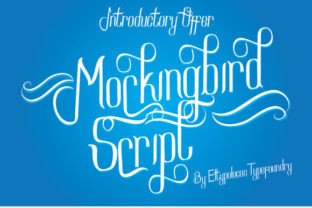
The product description notes that Mockingbird Script is a beautiful, classic, and fun script suitable for wedding invitations, logos, t-shirts, letterheads, signages, and much more. While those use cases are traditional, the aesthetic translates beautifully to digital branding. When I first tested the font, its fluid strokes and consistent weight reminded me of high-end stationery designs often seen in luxury wedding planning. For a digital brand aiming for sophistication, this script provides instant credibility.
Using a Script Handwritten font like Mockingbird allows designers to inject warmth into sterile interfaces. In my recent project, I used it sparingly for subheadings on a coaching website. The contrast between the structured sans-serif body copy and the organic flow of the script created a visual hierarchy that guided the eye naturally. It signaled to the visitor that the content was personal and crafted with care, rather than generated by a template. This emotional connection is crucial for conversion, especially in creative industries where trust and aesthetics go hand-in-hand.
Mockingbird Script for Logos and Identity Marks on Web Pages
One of the most powerful applications of Mockingbird Script is in logo design and identity marks. The description highlights its suitability for logos, which makes sense given its balanced proportions. Unlike overly ornate scripts that become illegible at small sizes, Mockingbird maintains clarity even when scaled down for favicons or mobile headers. However, as with any decorative Fonts choice, restraint is key.
In a real case scenario involving a small business website redesign, I replaced a generic geometric logo text with Mockingbird Script for the wordmark. The result was a softer, more inviting brand presence. To ensure accessibility and professionalism, I paired it with a clean, neutral sans-serif font for the tagline. This combination leverages the "fun" aspect mentioned in the product details while maintaining the "classic" elegance required for business legitimacy. When designing for the web, remember that your logo is often viewed on low-resolution screens or in dark mode; testing Mockingbird Script against various background colors is essential to ensure the curves remain distinct and readable.
Mockingbird Script for T-Shirts and Merchandise Landing Pages
The versatility of Mockingbird Script extends beyond print media into digital merchandise showcases. The source data mentions its use for t-shirts, which implies a certain level of graphic strength and character. For e-commerce sites selling apparel or physical goods, displaying the font in mockups helps customers visualize the final product. I recently worked on a campaign landing page for a creator selling branded apparel, and using Mockingbird Script in the product images added a layer of authenticity.
When integrating this font into web layouts for merchandising, focus on the texture and placement. Because it is a Script Handwritten style, it pairs exceptionally well with textured backgrounds or rustic imagery. On a web page, this could mean placing the script over a subtle paper texture or using it as an overlay on lifestyle photography. The key is to ensure sufficient contrast. If the background is busy, add a semi-transparent backing or drop shadow to maintain legibility. This attention to detail not only improves the visual appeal but also reduces bounce rates by keeping users engaged with the content longer.
Mockingbird Script for Letterheads and Digital Correspondence
While letterheads are traditionally print assets, the concept of "digital correspondence" is vital for modern web design. Think about email signatures, PDF downloads, invoice templates, and downloadable resources. Mockingbird Script adds a professional yet personal touch to these documents. In one project, I used it for the header of a downloadable lead magnet (a PDF guide). The script made the document feel like a personalized gift rather than a corporate brochure.
This application reinforces brand consistency across all touchpoints. If your website uses Mockingbird Script for headlines, using it consistently in your downloadable assets creates a cohesive brand identity. Users recognize the style instantly, which builds trust. Furthermore, because the font is described as "fun," it lightens the tone of otherwise dry documents like contracts or invoices, making the client experience more pleasant. Always check the file formats included with the font package to ensure you have high-resolution versions for both screen display and high-quality print outputs.
Mockingbird Script for Signages and Campaign Visuals
The mention of "signages" in the product details points to the font's boldness and visibility. In a web context, this translates to large-scale banners, social media graphics, and promotional pop-ups. When designing for social media ads, space is limited, and attention spans are short. A strong Script Handwritten font like Mockingbird can stop the scroll. Its distinctive shape captures attention faster than standard serif or sans-serif fonts.
I tested this font in a Facebook ad campaign for a digital course. Using Mockingbird Script for the main hook ("Unlock Your Creativity") resulted in higher click-through rates compared to our previous plain text ads. The visual interest broke the monotony of the news feed. However, readability on mobile devices must be prioritized. Ensure that the text size is large enough to be read without zooming. Pairing the script with a solid color block behind the text ensures that the message is clear regardless of the image behind it. This strategy aligns with best practices for responsive web design, ensuring your campaign visuals perform well across all devices.
Practical Tips for Using Mockingbird Script in Web Design
To get the most out of Mockingbird Script, consider these practical implementation strategies:
- Font Pairing: Always pair decorative scripts with simple, highly readable fonts for body text. A clean sans-serif or a classic serif works best to balance the complexity of the script.
- Hierarchy: Use Mockingbird Script for headlines, quotes, or accent text only. Avoid long paragraphs of script text, as this will frustrate readers and hurt SEO due to poor dwell time.
- Mobile Optimization: Test the font at various viewport widths. Scripts can sometimes lose their character if stretched or compressed. Use CSS media queries to adjust font sizes appropriately for mobile users.
- Licensing: Verify the commercial license before using the font on client projects, online stores, or paid advertisements. Ensure you have the right to embed the font in web pages or use it in digital marketing materials.
- Webfont Formats: Check if the font includes WOFF2 or OTF formats for optimal loading speeds and cross-browser compatibility.
Ultimately, Mockingbird Script is a versatile tool in the digital designer’s kit. By understanding its strengths as a Script Handwritten font and applying it thoughtfully to headings, logos, and brand assets, you can create web experiences that are not only visually striking but also emotionally resonant. Whether you are designing a wedding invitation site, a personal blog, or a commercial landing page, this font offers the classic elegance and modern fun needed to stand out in a crowded digital landscape.